
Skip to content

Knowledge Centre

CIF vs FOB: Which Incoterm Should Exporters Consider?

Who pays, who insures and who controls the freight: a practical comparison for Indian exporters.

Incoterms 6 min read

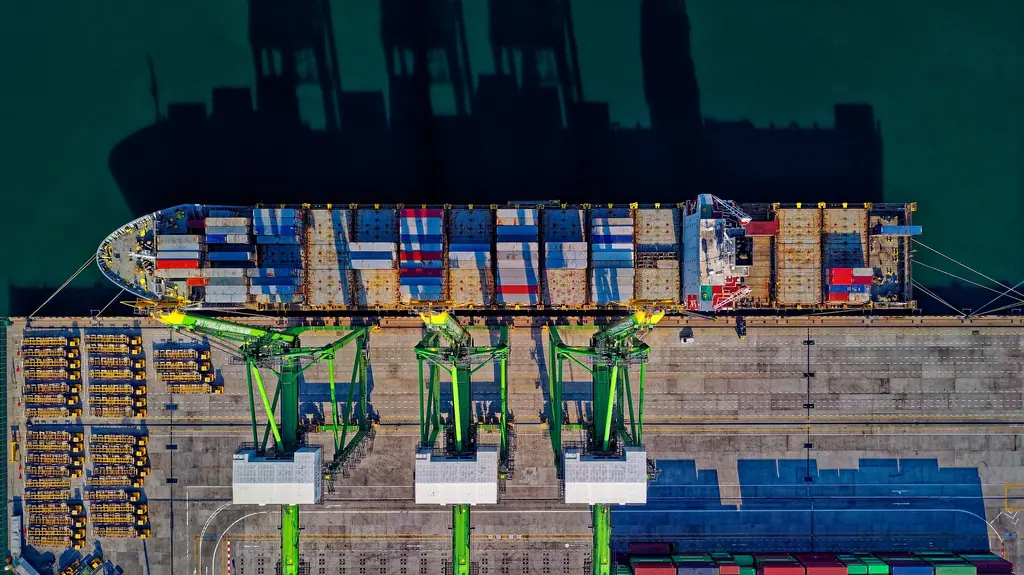
An aerial view of a container ship being loaded at a port terminal

FOB and CIF settle three separate questions: who pays for the freight, who carries the risk, and who chooses the carrier. Exporters usually negotiate the first and give away the third without noticing.

What the two terms actually cover

Incoterms are published by the International Chamber of Commerce and define the obligations of seller and buyer in a sale: the delivery point, where risk passes, who bears which cost, and who arranges carriage, insurance and export or import formalities. They are not payment terms, and they do not transfer ownership of the goods.

Under Incoterms 2020, FOB and CIF are sea and inland waterway terms. For air freight, courier and multimodal container movements the equivalents are FCA, CPT and CIP. "FOB" on an air shipment is common in practice and ambiguous in a contract.

FOB - Free On Board

  • The seller delivers the goods on board the vessel at the named port of shipment
  • The seller handles export packing, inland transport to the port and export customs clearance
  • Risk passes to the buyer once the goods are on board
  • The buyer books and pays for the ocean freight, and arranges its own insurance

CIF - Cost, Insurance and Freight

  • The seller delivers on board as under FOB, and in addition contracts and pays for carriage to the named destination port
  • The seller buys marine insurance for the buyer, and under Incoterms 2020 the minimum cover for CIF is Institute Cargo Clauses (C) unless the contract asks for more
  • Risk still passes when the goods are on board at origin, not on arrival - the point most often misread
  • The buyer pays import clearance, duties and onward delivery

The difference that matters is control

Both terms can be priced to the same landed cost. What changes is who holds the file. Whoever books the carriage chooses the carrier, the routing and the agent who handles the cargo at the other end - and hears first when something goes wrong.

Selling CIF means quoting a freight rate you have to honour later and answering for a vessel you do not own. It also means you keep control of the documents, you can see where the cargo is, and the buyer deals with one party. Selling FOB removes the freight risk and hands that control, along with the destination relationship, to the agent your buyer nominates.

Neither is better. The question is which of the two risks your business is equipped to carry.

Choosing between them

  • Quote FOB when freight rates on your lane are volatile, margins are thin, or the buyer already has a nominated forwarder
  • Quote CIF when you want control of routing and documents, and can hold a rate for the validity you promise
  • Name the port precisely - "FOB Nhava Sheva", never "FOB India"
  • State the Incoterms version in the contract and on the invoice
  • Check the level of insurance cover instead of assuming it: Clauses (C) is narrower than most sellers expect
  • For air, courier and door-to-door movements, use FCA, CPT or CIP instead

Decide the Incoterm at quotation stage, not when the cargo is ready. It sets your price, your risk and how much of your own shipment you can see.

How We Manage It

Keep Reading

More Articles

Have a Shipment to Move?

Tell us your route, cargo and requirement. Our team will get back to you shortly.